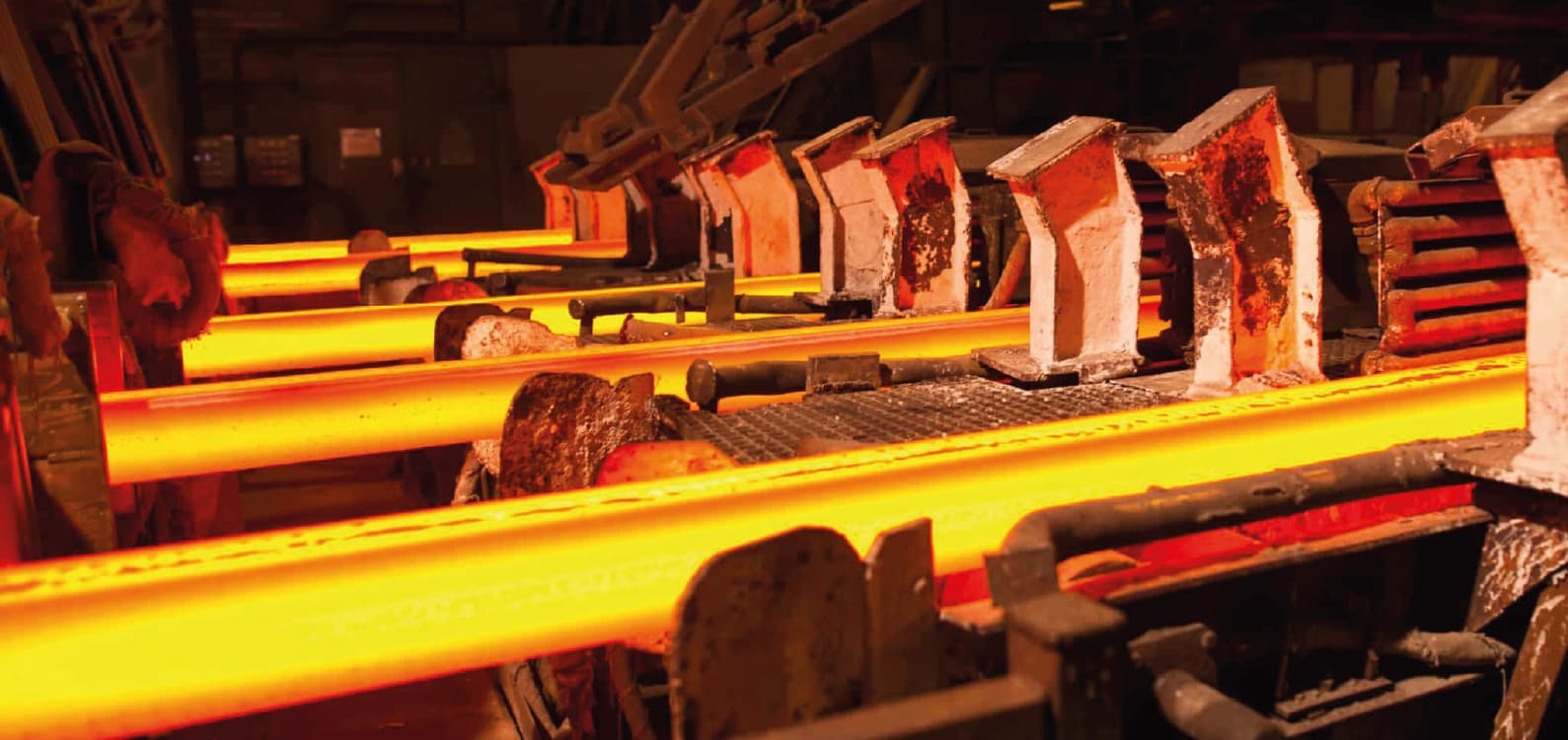
Continuous casting is a process in which molten metal is continuously poured into a mold to create a solidified billet, slab, or bloom. The metal is solidified as it is pulled through a mold, which produces long, continuous shapes. This method is often used for producing metals like steel and aluminum. It offers high production rates and reduces waste compared to traditional casting methods.
Applications: Steel production, aluminum production, and copper alloys.
Advantages:
High production rates.
Low waste and energy consumption.
Produces high-quality materials.
Disadvantages:
Limited to simpler shapes.
May require further processing (e.g., rolling) to achieve desired properties.