
Engineering plastics
Engineering plastics are technical polymers such as polyamide (PA), polyacetal (POM), ultra-high molecular weight polyethylene (PE-UHMW) and PEEK, used where a part must be light, low-friction, corrosion-free or electrically insulating. QProcess supplies engineering plastic parts machined from rod and plate or injection moulded, from manufacturers in Türkiye.
Request a quote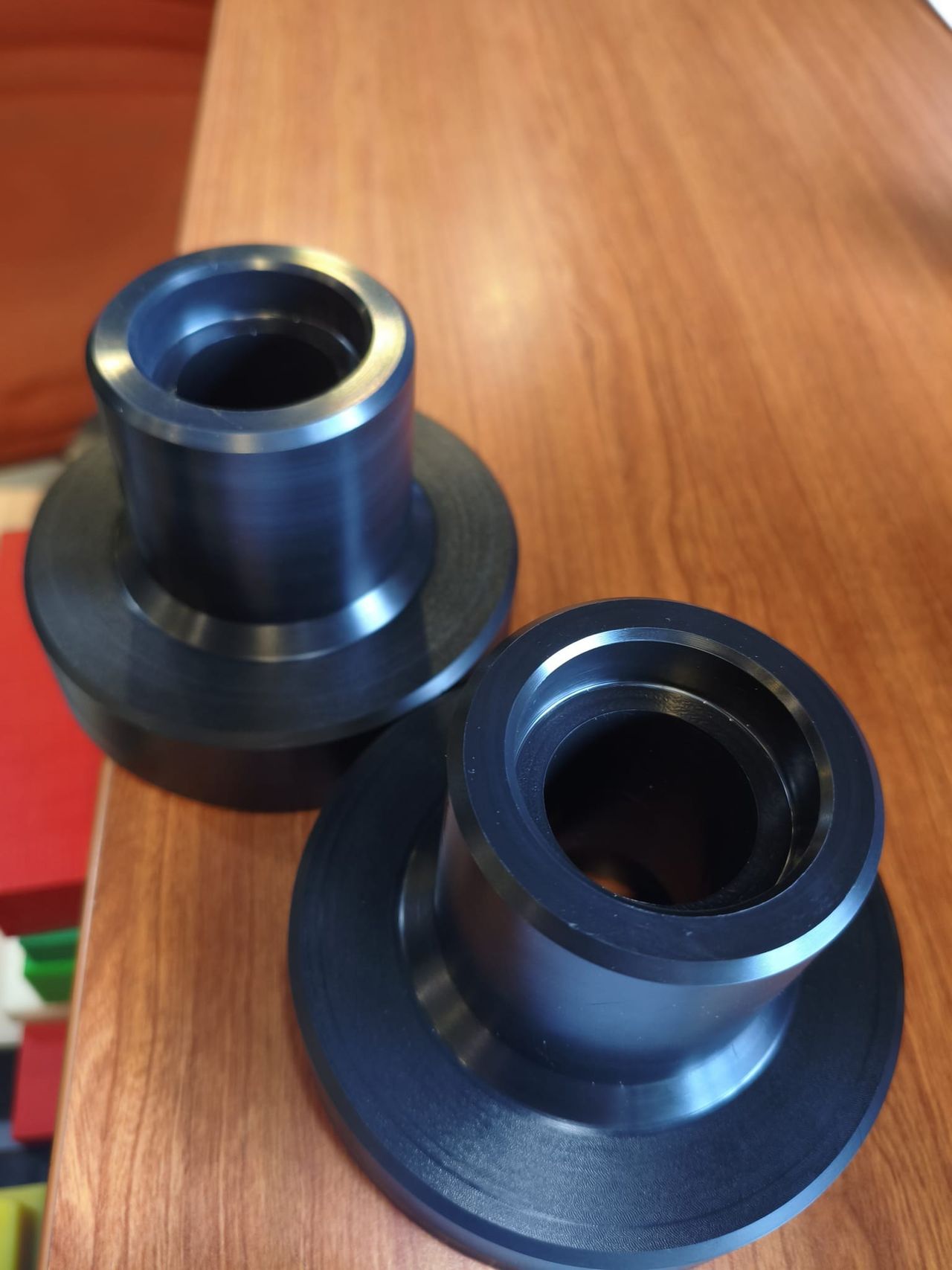
At a glance
Typical parts
- Bushings and slide bearings
- Wear strips, guide rails and chain guides
- Gears, rollers and star wheels
- Scraper blades and liners
- Insulating parts and spacers
- Moulded housings, covers and clips
Quantities
- Machined: prototypes, small and medium series
- Moulded: large series
Inspection
- Measured against the drawing
- Critical dimensions under agreed conditions
- Full first article for moulded parts
Documents
- Dimensional report
- Material supplier's certificate
- Food contact or other declarations if required
Machined and moulded plastic parts
Machined parts
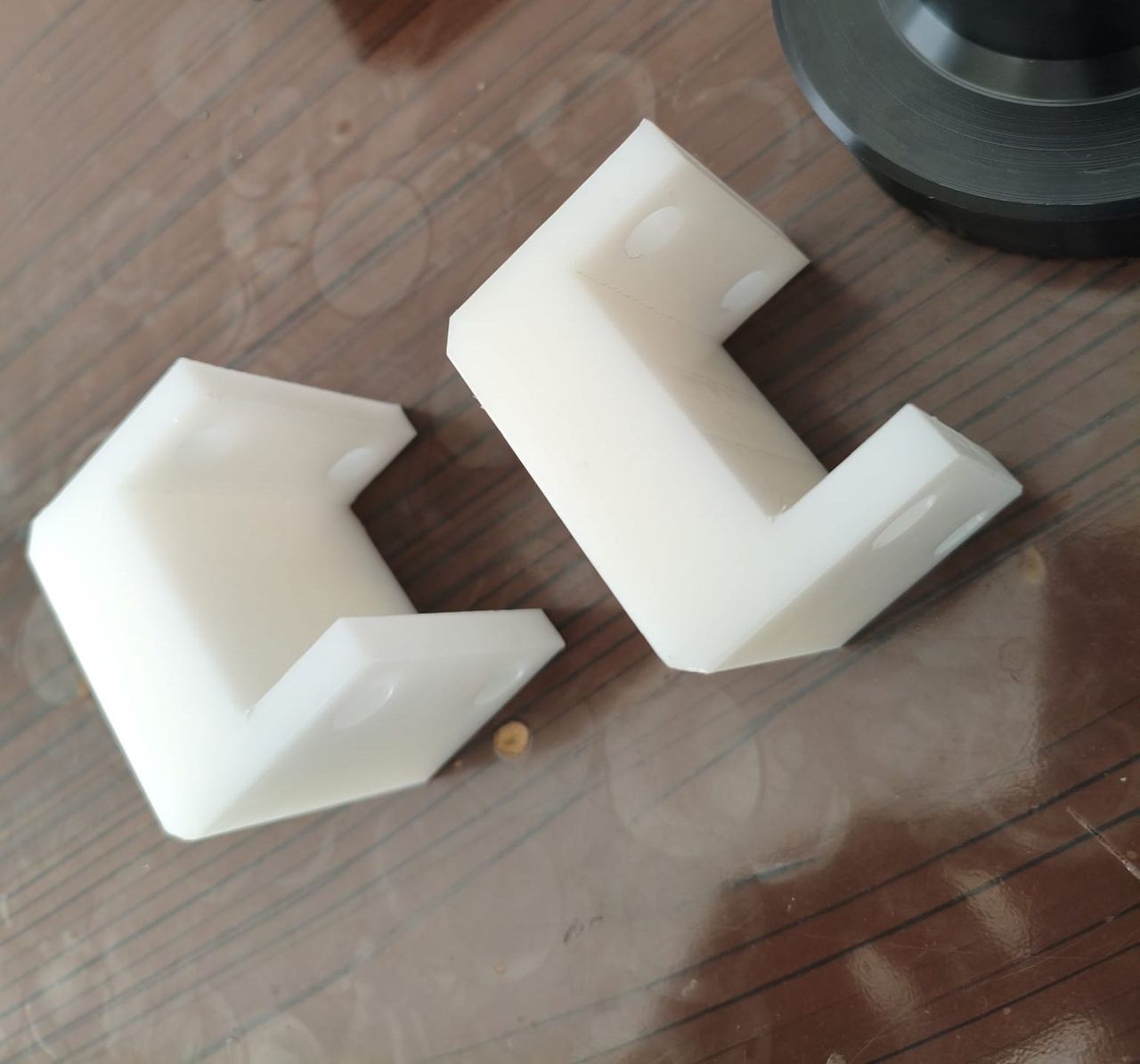
are turned, milled or waterjet cut from semi-finished rod, plate and tube. No mould is needed, so machining suits prototypes, spare parts, small and medium series and thick-walled parts.
Injection moulded parts
are produced in a steel mould. Mould cost is a one-off investment, after which part cost is low. Suited to large series and to glass-fibre reinforced grades.
Materials for engineering plastic parts
| Material | Properties | Typical uses |
|---|---|---|
| PA6, PA66 (polyamide) | tough, wear resistant, takes up moisture | bushings, gears, rollers |
| PA6-GF30 (glass-fibre reinforced) | stiffer and stronger, mainly injection moulded | housings, brackets, structural parts |
| POM-C (acetal copolymer) | dimensionally stable, low friction, low moisture uptake | precision parts, gears, slide parts |
| PE-UHMW | very high wear resistance, very low friction | wear strips, liners, chain guides |
| PEEK | high temperature and chemical resistance | parts for high temperature or chemical exposure |
There is no fixed size or tolerance limit. Send us your drawing and we will define the right production route and confirm feasibility.
Plastic or metal: how to choose
| Engineering plastic | Metal | |
|---|---|---|
| Weight | low | higher |
| Friction and lubrication | low friction, often runs dry | usually needs lubrication |
| Corrosion | does not corrode | needs coating or stainless grades |
| Stiffness and strength | lower, creeps under constant load | higher |
| Temperature and dimensional stability | lower, more thermal expansion, some grades absorb moisture | higher |
| Cost | low for moulded series, moderate for machined parts | depends on process and material |
Plastic is a good choice for sliding, wear and insulating parts with moderate loads, and where weight or corrosion matter. Metal stays the better choice for high loads, high temperatures and tight fits over a wide temperature range. Metal options are covered under casting, forging and CNC machining.
Dimensional checks and documents
Machined plastic parts are measured against the drawing like any CNC machined part. Because plastics react to temperature and moisture, critical dimensions are measured under agreed conditions. First articles of moulded parts are measured in full before series release.
Standard documents are a dimensional report and the material supplier’s certificate. Food contact or other declarations are provided where required. More on the quality page.
Related pages
- CNC turningCNC turned parts in steel, stainless steel, aluminium and brass from machine shops in Türkiye: shafts, pins, bushings and flanges, with dimensional reports.
- CNC millingCNC milled parts in steel, stainless steel and aluminium from machine shops in Türkiye: housings, plates, brackets and machined castings, with CMM reports.
- Waterjet cuttingAbrasive waterjet cutting of steel, stainless steel, aluminium, plastics and composites from manufacturers in Türkiye: cold cutting without heat-affected zone.
- Machinery and equipmentMachine bases, housings, shafts, gear blanks, guides and plastic wear parts for machinery and equipment manufacturers, produced by manufacturers in Türkiye.
- Agricultural machineryGearbox housings, PTO shafts, hubs, brackets, counterweights and wear parts for agricultural machinery manufacturers, produced by manufacturers in Türkiye.
- Other industriesCast, forged, machined and plastic parts for pumps and valves, hydraulics, rail, material handling, industrial automation, robotics and marine equipment.
- MedicalMachined stainless steel, aluminium and plastic parts for medical equipment, from manufacturers in Türkiye that hold the certification the sector requires.
Frequently asked questions
Should a plastic part be machined or injection moulded?
Machining from rod or plate needs no mould and suits prototypes, small and medium quantities and thick-walled parts. Injection moulding needs a mould but gives the lowest part cost in large series, especially for complex shapes and glass-fibre reinforced grades such as PA6-GF30. We compare both routes for your annual quantity.
Can a plastic part replace a metal part?
Often yes, for bushings, slide bearings, guides, rollers and gears with moderate loads. Plastic parts are lighter, run without lubrication and do not corrode. They are less stiff, expand more with heat and some grades take up moisture, so the design has to allow for this. We review the drawing and the operating conditions before proposing a material.
Can you provide food contact or material declarations?
Where your application requires it, we request the relevant declarations from the material supplier, for example conformity with EU Regulation 10/2011 for food contact. Tell us the requirement with your enquiry.
Send your drawing. You get a quotation in 3 to 5 working days.
Your drawings are handled confidentially; NDA on request.